Composite Sanding, Filler Leveling and Coating Preparation Guide
Wind turbine blade sanding is different from general metal or wood sanding.
A blade can contain fiberglass composite, resin, filler, primer and protective coatings. Manufacturing and repair may also involve large curved surfaces, leading edges and local repair areas.
This means one sanding disc cannot efficiently cover every stage.
A practical abrasive selection process is:
Surface Material → Repair Stage → Material Removal → Dust Control → Required Finish
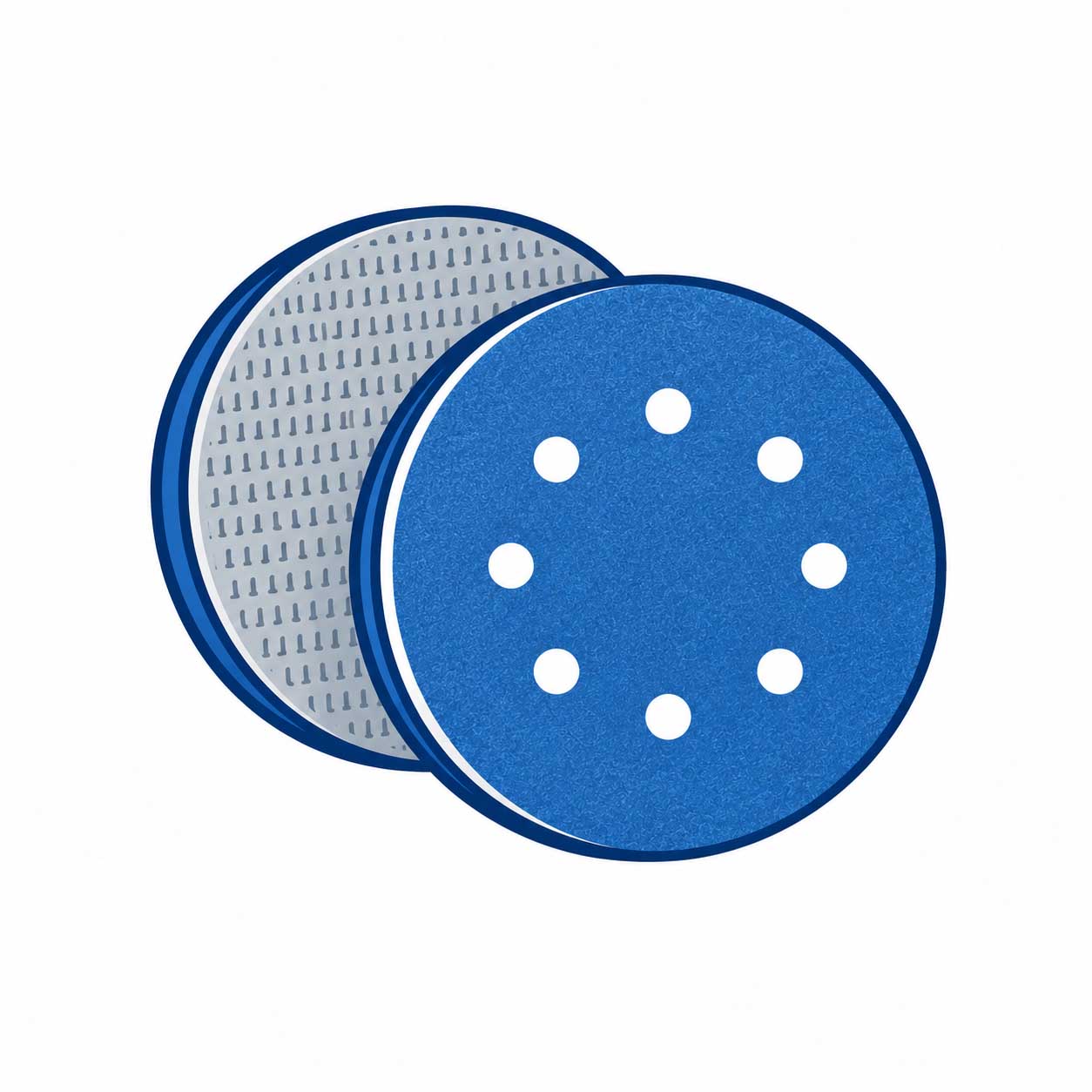
Aozhong's current abrasive range includes Hook & Loop sanding discs, mesh abrasives, film-backed products, sanding sponges, foam abrasives, rolls and other converted sanding formats. Size, grit, backing, hole pattern and packaging can also be customized for B2B projects.
Wind turbine blades are composite structures rather than one uniform sanding surface.
During manufacturing or repair, technicians may work on several materials.
| Blade Surface | Main Sanding Challenge | Abrasive Direction |
|---|---|---|
| Fiberglass Composite | Fine dust and fiber exposure | Controlled sanding |
| Repair Resin | Uneven repaired area | Sanding disc / block |
| Filler | Heavy dust and loading | Mesh / multi-hole disc |
| Primer | Scratch refinement and fine dust | Film / mesh abrasive |
| Protective Coating | Surface preparation | Fine sanding abrasive |
| Leading Edge | Local shape and coating control | Flexible abrasive |
| Curved Blade Shell | Uneven contact | Foam / sponge abrasive |
The main rule is:
Do not select wind turbine abrasives by grit alone.
P120 used for filler leveling has a different purpose from P120 used during another composite preparation stage.
The substrate and next process should determine the abrasive.
After a composite repair, resin or filler may sit higher than the surrounding blade surface.
The first objective is leveling.
After the repair shape is close to the original blade profile, the objective changes to reducing sanding scratches and preparing the area for primer or coating.
A general abrasive progression may look like this:
| Sanding Stage | Reference Grit Direction | Main Purpose |
|---|---|---|
| Heavy Filler Leveling | P40–P80 | Remove excess repair material |
| Initial Refinement | P80–P120 | Reduce coarse scratches |
| Intermediate Refinement | P120–P180 | Smooth repair transition |
| Pre-Primer Preparation | P180–P320 | Prepare repaired surface |
| Primer Refinement | P320–P600 | Prepare for coating |
| Fine Coating Preparation | P600+ | Process-dependent refinement |
These are general starting references, not blade repair specifications.
Blade construction, laminate type, filler, coating and repair engineering requirements can change the process. Structural composite repair should follow the blade manufacturer's or approved repair procedure.
TWI's wind-turbine blade repair work likewise treats surface preparation as a defined repair stage before the new repair material is bonded into place.
A useful sanding principle is:
Each grit should remove the scratch pattern from the previous stage.
Going directly from aggressive filler sanding to very fine paper may leave deeper scratches under the prepared surface.
Fiberglass, filler and primer sanding can generate significant fine dust.
Fibrous glass exposure can affect the eyes, skin and lungs, and NIOSH recommends controlling workplace exposure using the hierarchy of controls.
Dust also affects the sanding process.
When filler or primer dust stays on the disc, it can contribute to abrasive loading and reduce exposed cutting area.
This is where Mesh and Multi-Hole sanding products become useful.
| Abrasive Structure | Dust Removal Design | Typical Use |
|---|---|---|
| Standard Hole Disc | Limited fixed holes | General sanding |
| Multi-Hole Disc | More extraction paths | Filler / primer |
| Mesh Sanding Disc | Open backing structure | High-dust sanding |
| Film Multi-Hole Disc | Film backing + extraction holes | Primer / coating refinement |
| Sanding Sheet | No integrated extraction | Local hand repair |
Mesh vs Multi-Hole
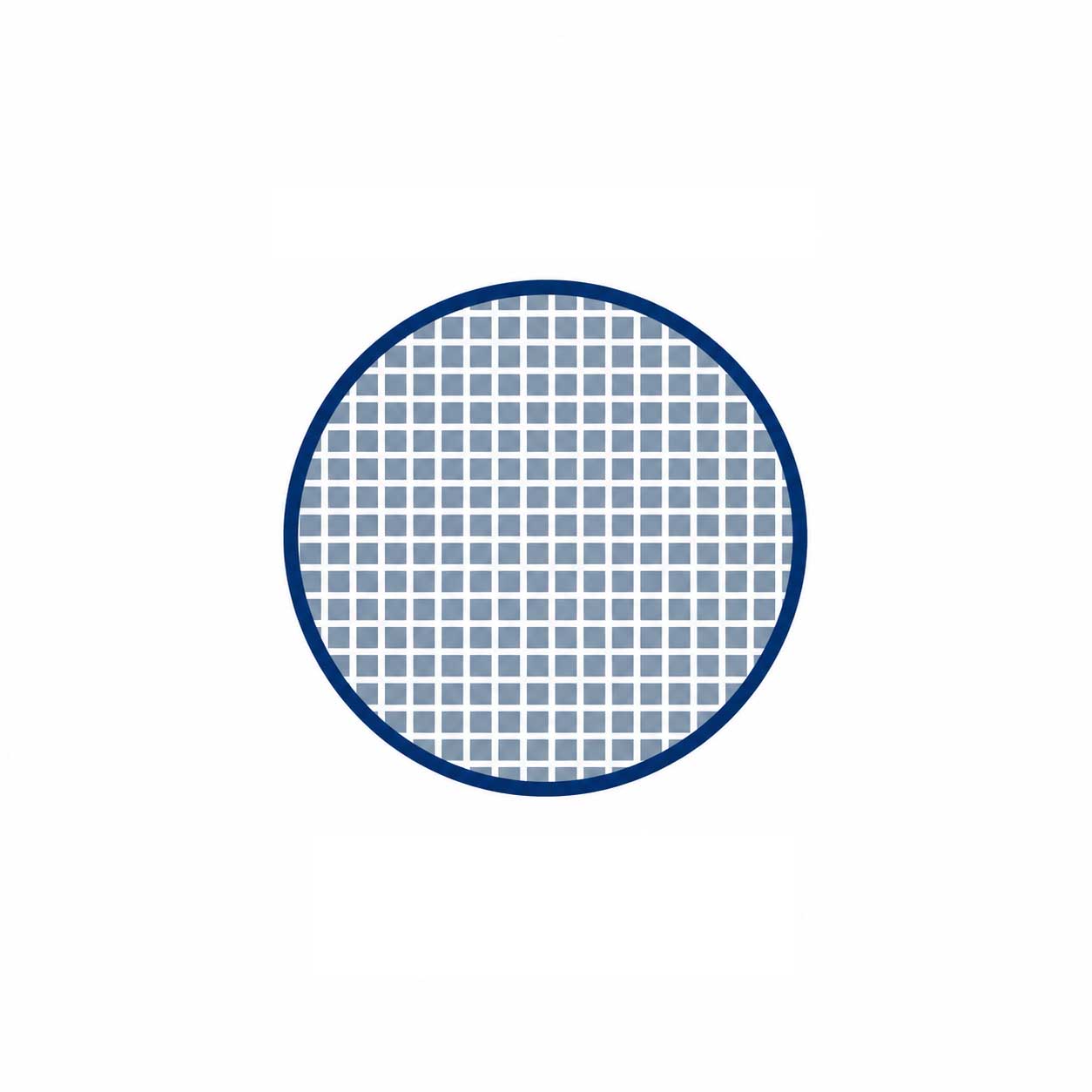
Mesh abrasives use an open backing structure.
Multi-Hole abrasives use a conventional coated abrasive with multiple extraction openings.
For wind blade repair:
Mesh → useful when dust movement and loading control are priorities.
Multi-Hole → useful when the customer wants a conventional paper or film abrasive combined with extraction paths.
Aozhong currently supplies mesh abrasives and multi-hole sanding products, and supports customized hole patterns on applicable products.
However, the abrasive is only one part of the dust-control system:
Disc → Backing Pad → Sander → Hose → Extraction System
The complete system needs to be compatible.
| Stage | Main Priority | Abrasive Direction |
|---|---|---|
| Repair Filler | Material removal | Coarse paper / mesh disc |
| Filler Refinement | Scratch reduction | Medium sanding disc |
| Primer Leveling | Dust control + leveling | Mesh / multi-hole disc |
| Primer Refinement | Scratch consistency | Film sanding disc |
| Coating Preparation | Fine surface control | Fine film abrasive |
| Local Finish Correction | Controlled fine sanding | Fine / foam-backed abrasive |
Aozhong's Hook & Loop range includes paper, film, mesh and other abrasive structures, allowing the backing to change as the finishing requirement changes.
The final grit should always match the specified primer or coating system.
| Blade Area | Main Requirement | Product Direction |
|---|---|---|
| Flat / Broad Repair | Maintain profile | Firm sanding disc / block |
| Curved Shell | Follow contour | Foam sanding disc |
| Leading Edge | Shape and pressure control | Sponge / flexible abrasive |
| Repair Transition | Blend surrounding area | Fine flexible abrasive |
| Edge / Detail | Local control | Sanding sponge / sheet |
| Primered Curve | Fine refinement | Foam / film abrasive |
Aozhong Sanding Sponges use a flexible foam structure that conforms to curved surfaces, contours, edges and corners.
The important distinction is:
A soft sponge should not be used to correct a surface that still requires firm leveling.
Wind blade production and wind blade repair may use similar abrasives, but the application logic is different.
Manufacturing usually focuses more on repeatable production and surface consistency.
Repair work often focuses on a local defect or damaged area.
| Process | Main Requirement | Abrasive Direction |
|---|---|---|
| Blade Manufacturing | Repeatable surface preparation | Disc / roll / mesh |
| Mold / Composite Preparation | Surface refinement | Sanding abrasive |
| Filler Leveling | Material removal | Coarse sanding disc |
| Local Blade Repair | Controlled repair-area sanding | Hook & Loop disc |
| High-Dust Filler Sanding | Loading control | Mesh / multi-hole disc |
| Primer Sanding | Fine dust + refinement | Mesh / film |
| Leading Edge Repair | Shape control | Foam / sponge |
| Coating Preparation | Uniform scratch pattern | Film abrasive |
Wind turbine blades are among the largest composite structures in use, and glass-fiber composites remain central to blade construction.
For wind blade manufacturers, repair companies and industrial distributors, the objective should not be to stock every available sanding product.
The product range should cover the major processing stages.
| Wind Blade Application | Aozhong Product Direction |
|---|---|
| Composite Repair Leveling | Coarse Sanding Disc |
| Filler Sanding | Mesh / Multi-Hole Disc |
| General Surface Sanding | Hook & Loop Sanding Disc |
| Primer Sanding | Mesh / Film Sanding Disc |
| Coating Preparation | Fine Film Abrasive |
| Curved Blade Surface | Foam Sanding Disc |
| Leading Edge / Detail | Sanding Sponge |
| Hand Repair | Sanding Sheets / Rolls |
| Surface Conditioning | Non-Woven Abrasive |
Five common questions about wind-blade sanding applications, custom extraction formats, samples and OEM abrasive programs.
Yes. These processes require different abrasive structures. Aozhong manufactures sanding discs, mesh abrasives, film-backed products, sponge abrasives and other converted abrasive formats. Product selection can be based on the composite material, grit range, repair stage, backing pad and required final surface.
Yes. Aozhong supports customization of disc diameter, grit, abrasive structure, backing and hole pattern on applicable products. For custom extraction patterns, buyers should provide the backing-pad drawing or equipment specification so the disc and extraction system can be matched.
Yes. Aozhong provides samples for B2B product evaluation. For wind-blade applications, buyers can test cutting behavior, scratch pattern, abrasive loading, flexibility and compatibility with their sanding equipment before confirming bulk specifications.
Yes. Aozhong supports OEM, ODM and private-label abrasive programs. Depending on the product, customization can include grit, size, backing, hole pattern, attachment system, print, labels, barcode and packaging.
Aozhong operates its own abrasive production and converting facilities and supports discs, rolls, sheets, Hook & Loop, PSA, mesh and film-backed formats. Its current company information also lists custom converting for size, grit, backing, hole pattern and packaging, which is useful when different blade-repair tools or distributor programs require different finished formats.