Plastic parts are used in automotive components, electrical housings, consumer products, industrial parts, and molded products. After injection molding, machining, trimming, or repair, the surface may have flash, burrs, parting lines, scratches, or coating defects.
How should the abrasive be selected for these different conditions?
At Aozhong, we look at plastic sanding from four factors:
Plastic Type → Surface Condition → Sanding Process → Final Surface Requirement
A sanding disc that works for flash removal may not be suitable for paint preparation. A sanding belt used for continuous production may also require a different backing and abrasive structure from a hand sanding sponge.
This guide explains how we select abrasive products for plastic surface finishing.
Plastic does not behave like metal during sanding.
The surface can respond to friction, pressure, abrasive grain, and heat in different ways. Some plastics are soft and can load the abrasive quickly. Other materials contain fillers or reinforcement that can change cutting behavior.
Common plastic sanding tasks include:
The first question should therefore be:
What needs to be removed or changed on the plastic surface?
| Surface Condition | Main Objective | Abrasive Direction |
|---|---|---|
| Large Flash | Material removal | Sanding Disc / Abrasive Belt |
| Small Burr | Edge correction | Fine Sanding Disc / Sponge |
| Parting Line | Leveling | Sanding Disc / Belt |
| Surface Scratches | Scratch refinement | Fine Sandpaper / Film |
| Curved Area | Surface conformity | Sanding Sponge |
| Paint Preparation | Surface preparation | Fine Disc / Film |
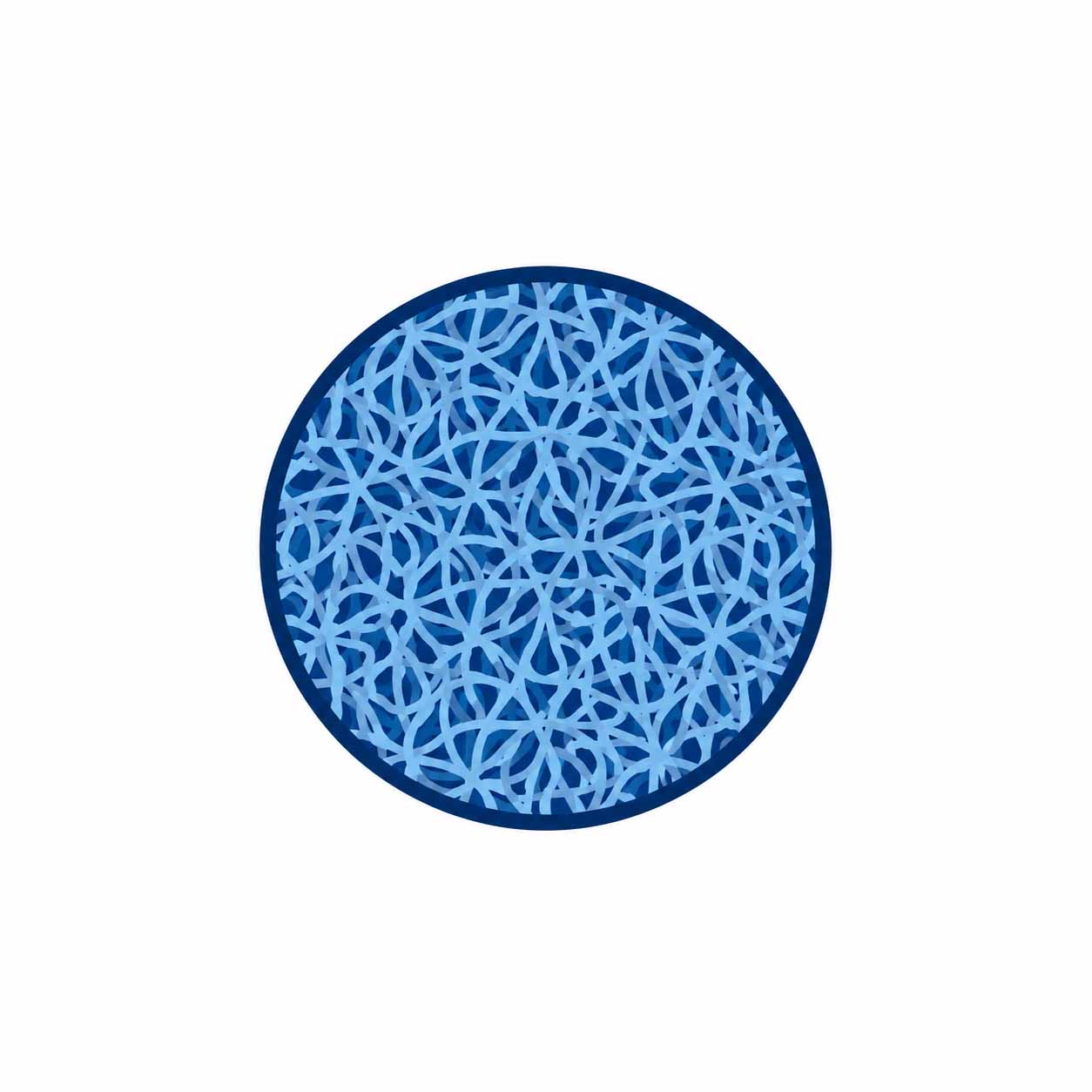
| Surface Conditioning | Finish adjustment | Non-Woven Abrasive |
This approach is more useful than selecting a grit number before understanding the application.
Grit selection depends on the amount of material that needs to be removed.
A coarse abrasive can remove flash and high spots faster, but it can also leave deeper scratches. A fine abrasive gives more control for surface refinement but may not be suitable for initial leveling.
As a reference:
| Sanding Stage | Reference Grit | Application |
|---|---|---|
| Flash / Heavy Material Removal | P80–P120 | Remove excess plastic |
| General Sanding | P120–P180 | Level surface and edges |
| Surface Refinement | P180–P320 | Reduce sanding marks |
| Fine Preparation | P320–P600 | Prepare for coating |
| Final Surface Work | P600+ | Fine scratch control where required |
These ranges should be adjusted according to the plastic material and the next production step.
For example, if a molded part has a visible parting line, starting with P400 may take too long. If the same part is already leveled and needs to be prepared for painting, P120 may create scratches that are difficult to remove.
A practical sanding sequence is:
Coarse → Medium → Fine
The key is to avoid unnecessary grit jumps. Each following grit should remove the scratches from the previous sanding stage without creating a new set of deep scratches.
There is no single answer.
The choice depends mainly on production volume, workpiece shape, and sanding method.
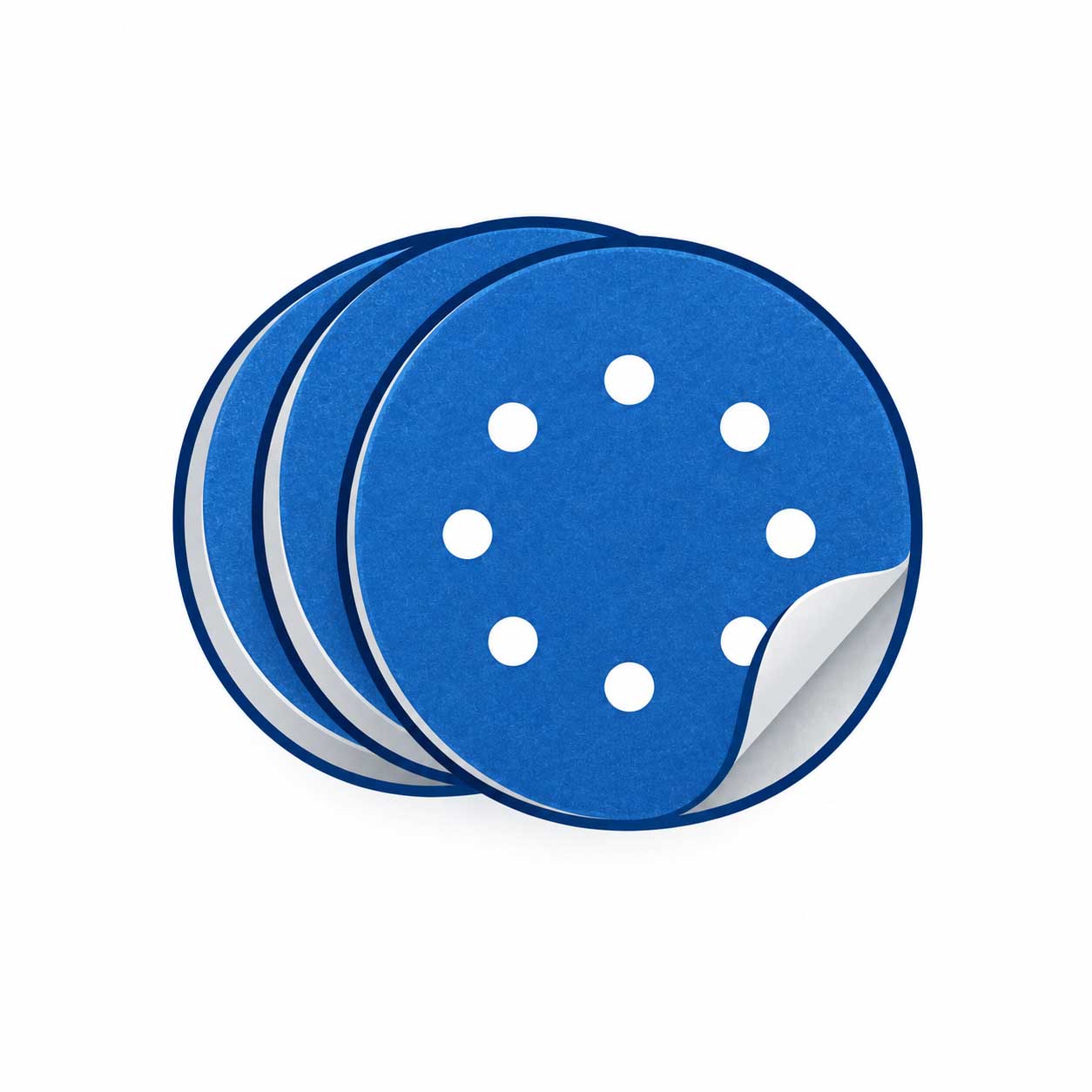
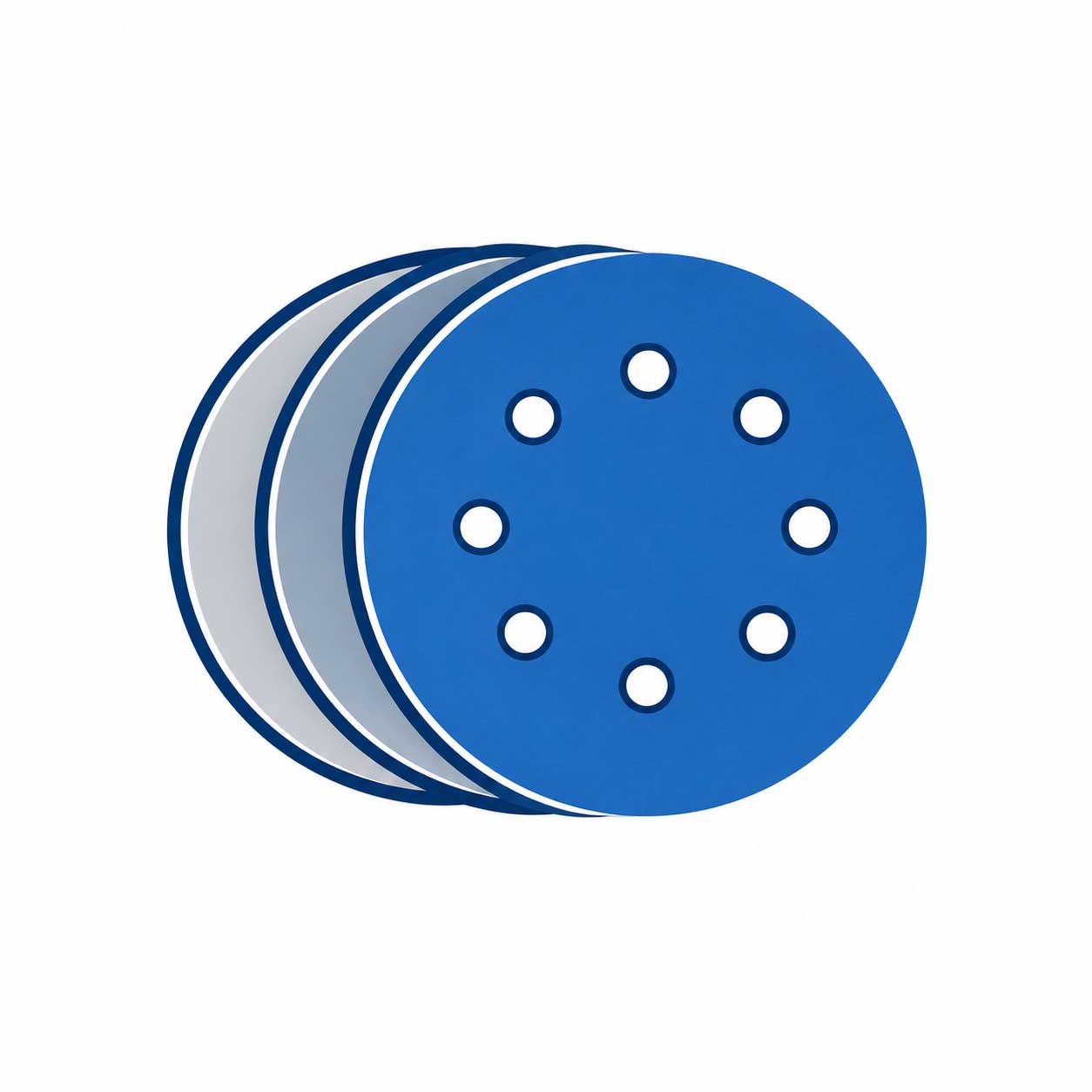
A plastic sanding disc is suitable for localized sanding, repair work, edge correction, and machine sanding.
It works well when operators need to move around different areas of a part.
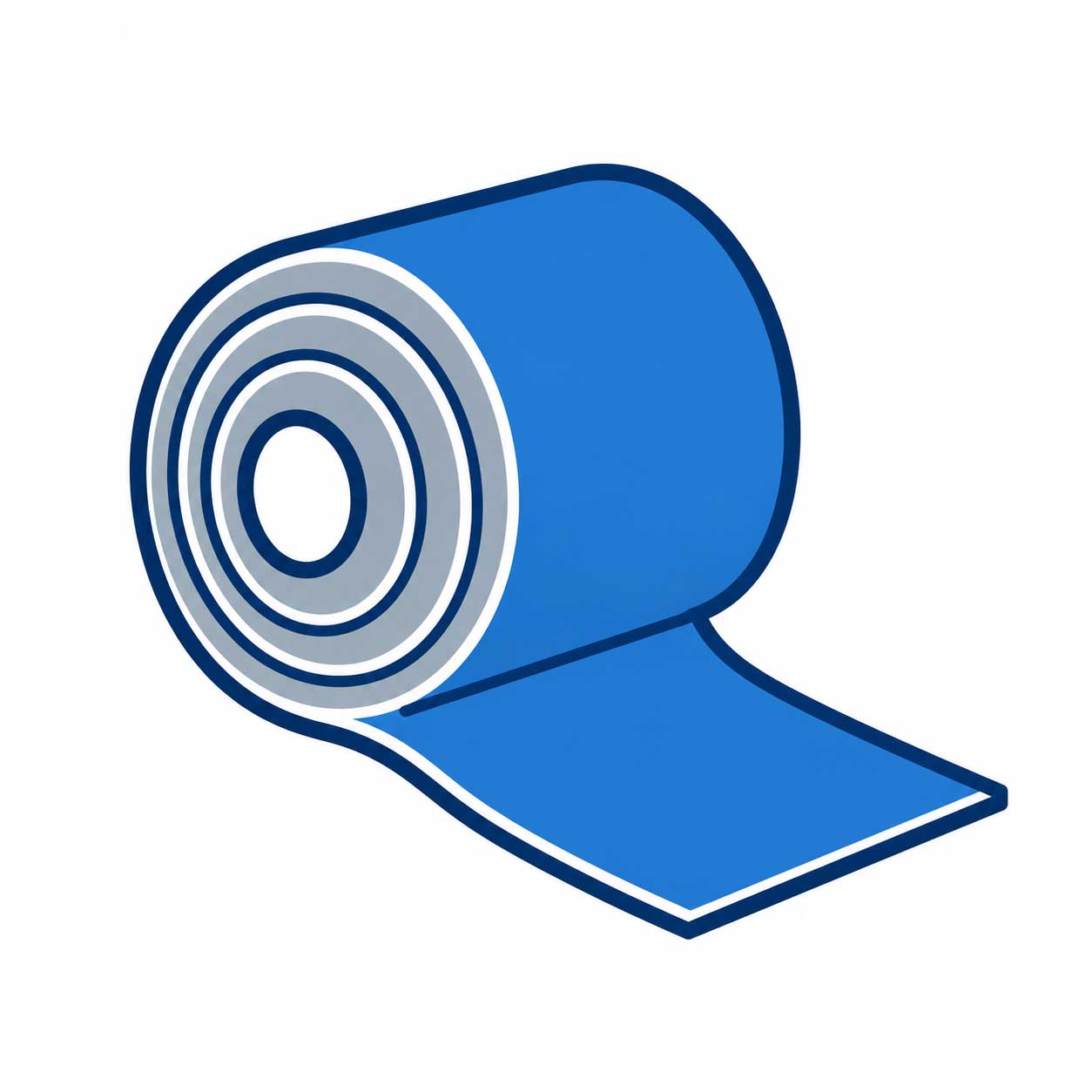
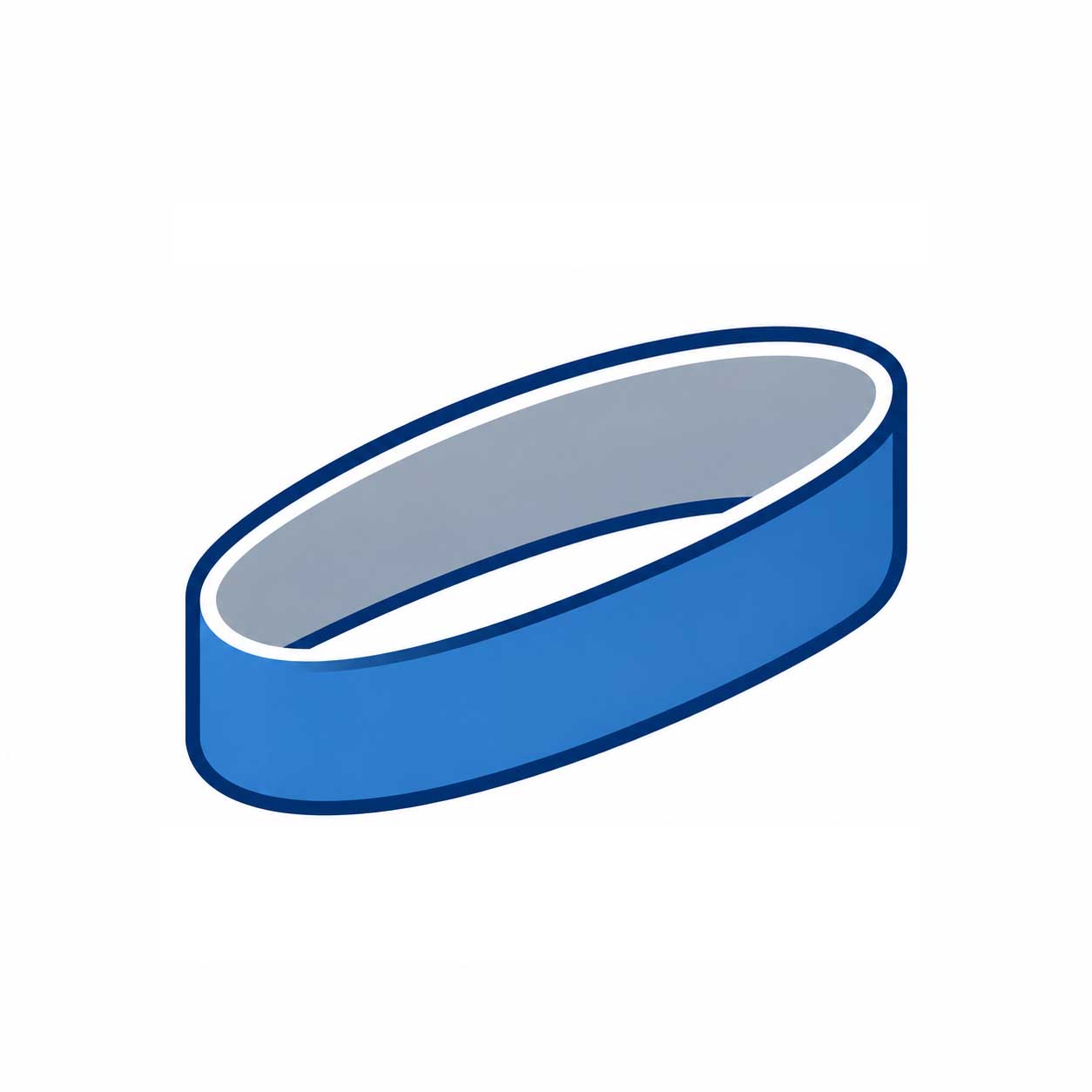
An abrasive belt for plastic is more suitable for continuous sanding operations where the workpiece or sanding head follows a repeated production process.
| Item | Sanding Disc | Abrasive Belt |
|---|---|---|
| Main Use | Local and general sanding | Continuous sanding |
| Workpiece Size | Small to medium areas | Medium to large areas |
| Manual Control | Good | Depends on equipment |
| Production Process | Intermittent | Continuous |
| Flash Removal | Suitable | Suitable |
| Edge Work | Suitable | Depends on machine |
| Surface Refinement | Suitable | Suitable |
| Typical Equipment | Random orbital / pneumatic sander | Belt sander / sanding machine |
For B2B buyers, the better question is not “Which product is better?”
It is:
“Which abrasive format matches our sanding equipment and production process?”
The backing controls how the abrasive contacts the plastic surface.
At Aozhong, we work with different abrasive formats because plastic parts can require different levels of flexibility, support, and surface contact.
| Backing Type | Main Feature | Plastic Application |
|---|---|---|
| Paper | General sanding support | Flat surface sanding |
| Cloth | Flexible support | Continuous sanding |
| Film | Controlled abrasive support | Fine surface finishing |
| Mesh | Open structure | Dust extraction sanding |
| Sponge | Flexible contact | Edges and curved areas |
For flat plastic components, a paper or film-backed abrasive can provide the contact required for surface refinement.
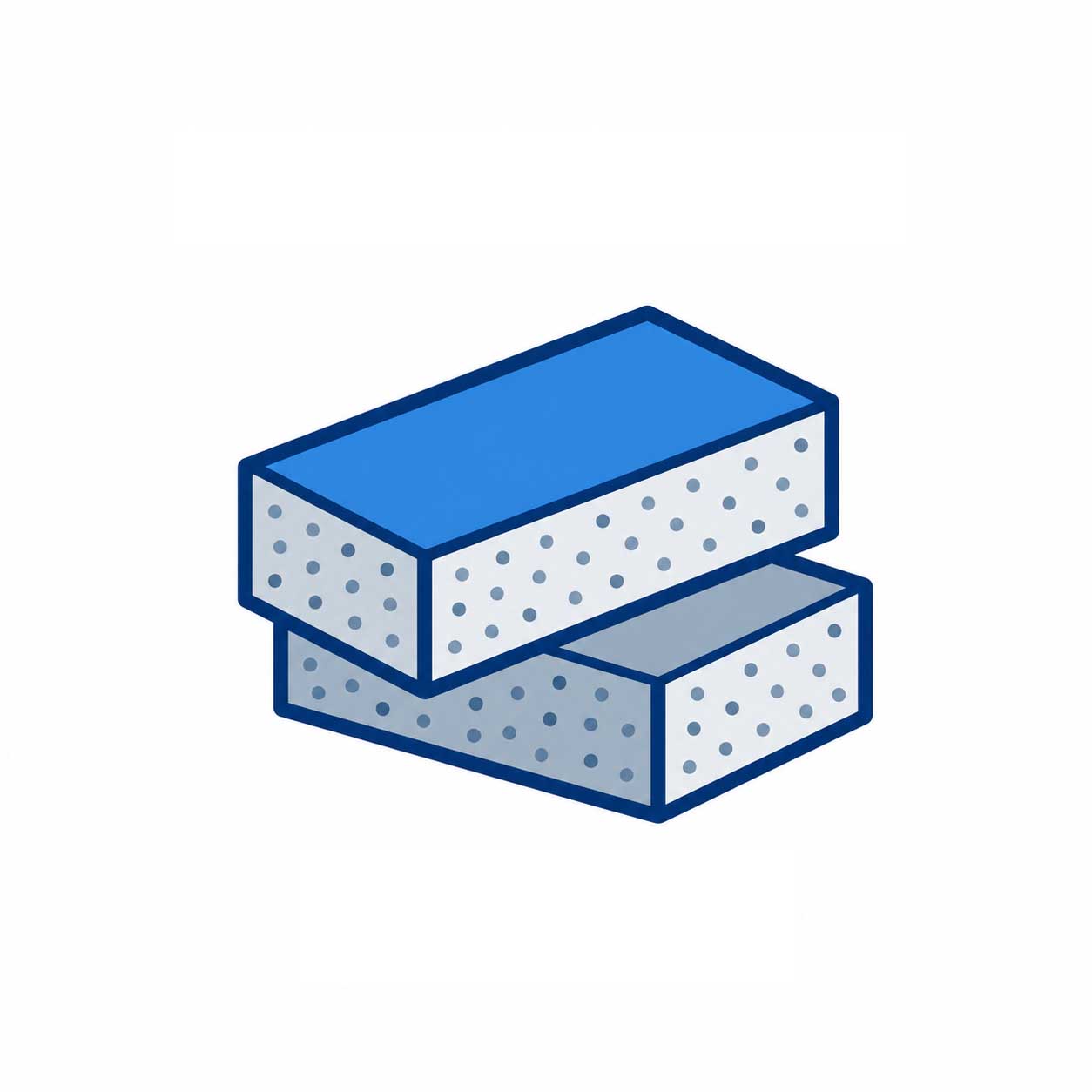
For curved components, a sanding sponge can follow the surface more easily.
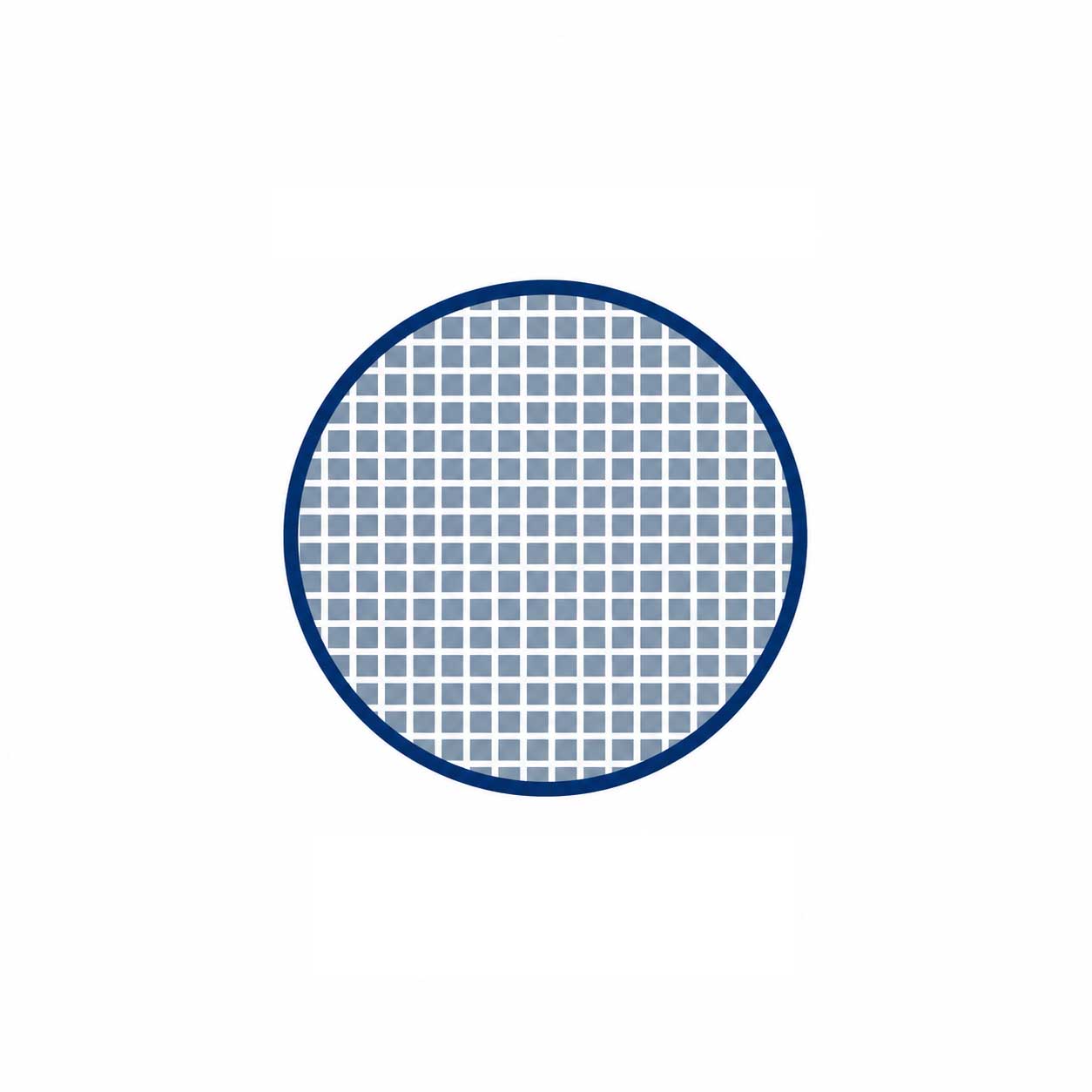
For dust extraction applications, a mesh sanding disc can provide an open structure for dust movement when matched with the correct backing pad and extraction system.
Therefore, backing should be considered together with:
Grit + Plastic Type + Surface Shape + Sanding Machine
Abrasive loading occurs when removed material builds up on the abrasive surface.
For some plastic materials, this can reduce cutting performance and shorten the working life of the abrasive.
The problem can become more noticeable when sanding pressure or heat increases.
A simple process relationship is:
Plastic Dust → Abrasive Loading → Reduced Cutting
Several factors should be considered:
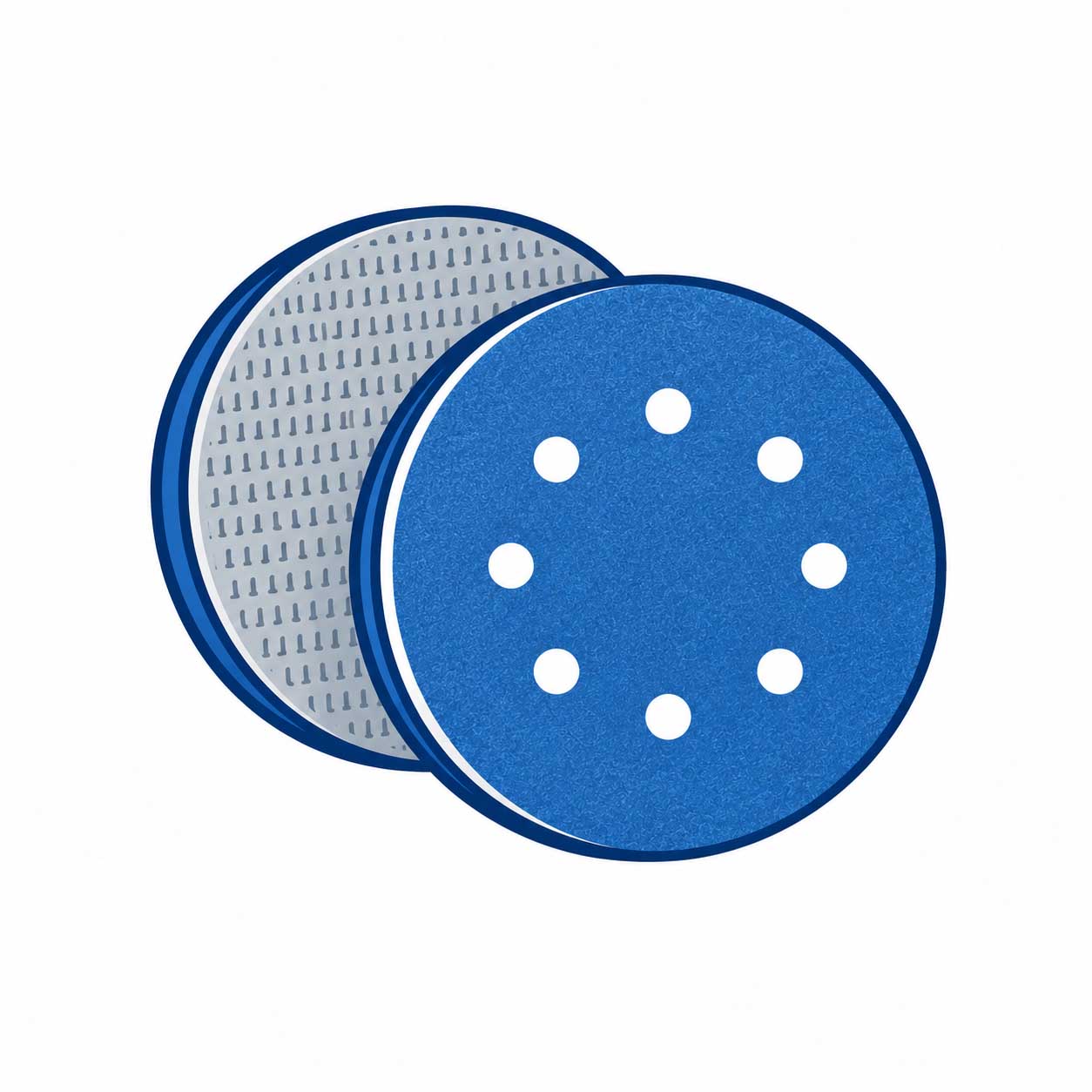
For applications where dust extraction is available, Aozhong Mesh Sanding Discs and Multi-Hole Sanding Discs can be considered.
The hole pattern should match the sanding pad and extraction system. Mesh construction can provide an open path for dust movement across the abrasive surface.
However, abrasive selection alone does not determine dust performance.
The complete system should be considered:
Sanding Disc → Backing Pad → Machine → Hose → Dust Extractor
Plastic painting usually requires surface preparation before primer or paint.
The sanding objective is not simply to make the surface smooth. It is to create a surface condition that matches the coating process.
A typical process can be:
Deburring → Leveling → Fine Sanding → Cleaning → Primer → Paint
Different sanding products can be used at different stages.
| Stage | Product Direction | Purpose |
|---|---|---|
| Flash Removal | Sanding Disc / Belt | Remove excess material |
| Leveling | Sanding Disc | Correct surface differences |
| Scratch Refinement | Film Sandpaper / Fine Disc | Reduce sanding marks |
| Edge Preparation | Sanding Sponge | Blend edges |
| Primer Preparation | Fine Sanding Disc / Film | Prepare coating surface |
| Surface Conditioning | Non-Woven Abrasive | Modify surface condition |
For example, a molded plastic housing may first require P120 sanding to remove a parting line, followed by P180–P240 for surface refinement, and then a finer abrasive based on the primer system.
The final grit should always be considered together with the coating manufacturer's requirements.
For distributors, plastic processors, tool suppliers, and OEM buyers, one abrasive product rarely covers the complete process.
At Aozhong, we can organize a product range around different plastic finishing operations.
| Application | Aozhong Product Direction |
|---|---|
| Flash Removal | Sanding Disc |
| Continuous Production Sanding | Abrasive Belt |
| General Surface Sanding | Hook & Loop Sanding Disc |
| Fine Surface Refinement | Film Sandpaper |
| Dust Extraction | Mesh Sanding Disc |
| Edge and Contour Sanding | Sanding Sponge |
| Manual Sanding | Sanding Sheet |
| Surface Conditioning | Non-Woven Abrasive |
When requesting a plastic abrasive, we recommend providing more than the grit number.
A useful B2B specification includes:
Plastic Type + Surface Condition + Machine + Abrasive Format + Grit + Size + Final Surface Requirement
For example:
Plastic housing, injection-molded surface, random orbital sander, 150 mm sanding disc, P180, dust extraction required.
This information gives the manufacturer a better basis for selecting the abrasive structure and specifications.
For OEM and private-label projects, product specifications can then be developed around the actual application and testing requirements.
Yes. We manufacture different abrasive formats, including sanding discs, abrasive belts, sanding sheets, film abrasives, sanding sponges, mesh abrasives, and non-woven abrasives. The product format can be selected according to the sanding equipment and application.
Yes. Depending on the product, we can work with specifications such as disc diameter, grit, backing material, hole pattern, attachment type, printing, and packaging. Application testing is recommended before confirming production specifications.
Yes. Samples can be used to evaluate cutting performance, abrasive loading, scratch pattern, surface finish, and compatibility with the customer's sanding equipment before a bulk order.
Yes. We support OEM and private-label projects for sanding discs, abrasive products, sanding sponges, and other product categories. Packaging, labeling, product specifications, and other project requirements can be discussed according to the product.
We recommend providing the plastic material, sanding application, surface condition, machine type, abrasive size, required grit, sanding method, and final surface requirement. This allows us to evaluate the product structure based on the actual application instead of selecting the abrasive by grit alone.