Furniture manufacturing involves several sanding stages before a product reaches its final appearance.
A solid wood table, MDF cabinet door, veneer panel, and lacquered furniture component cannot all use the same abrasive process.
During early production, sanding may focus on removing machining marks and leveling wood. Later, the goal changes to scratch refinement, primer sanding, coating preparation, and final surface control.
For furniture manufacturers, the abrasive process can generally be understood as:
Raw Material → Surface Leveling → Fine Wood Sanding → Primer / Sealer → Intermediate Sanding → Final Coating Preparation
The abrasive should change when the sanding objective changes.
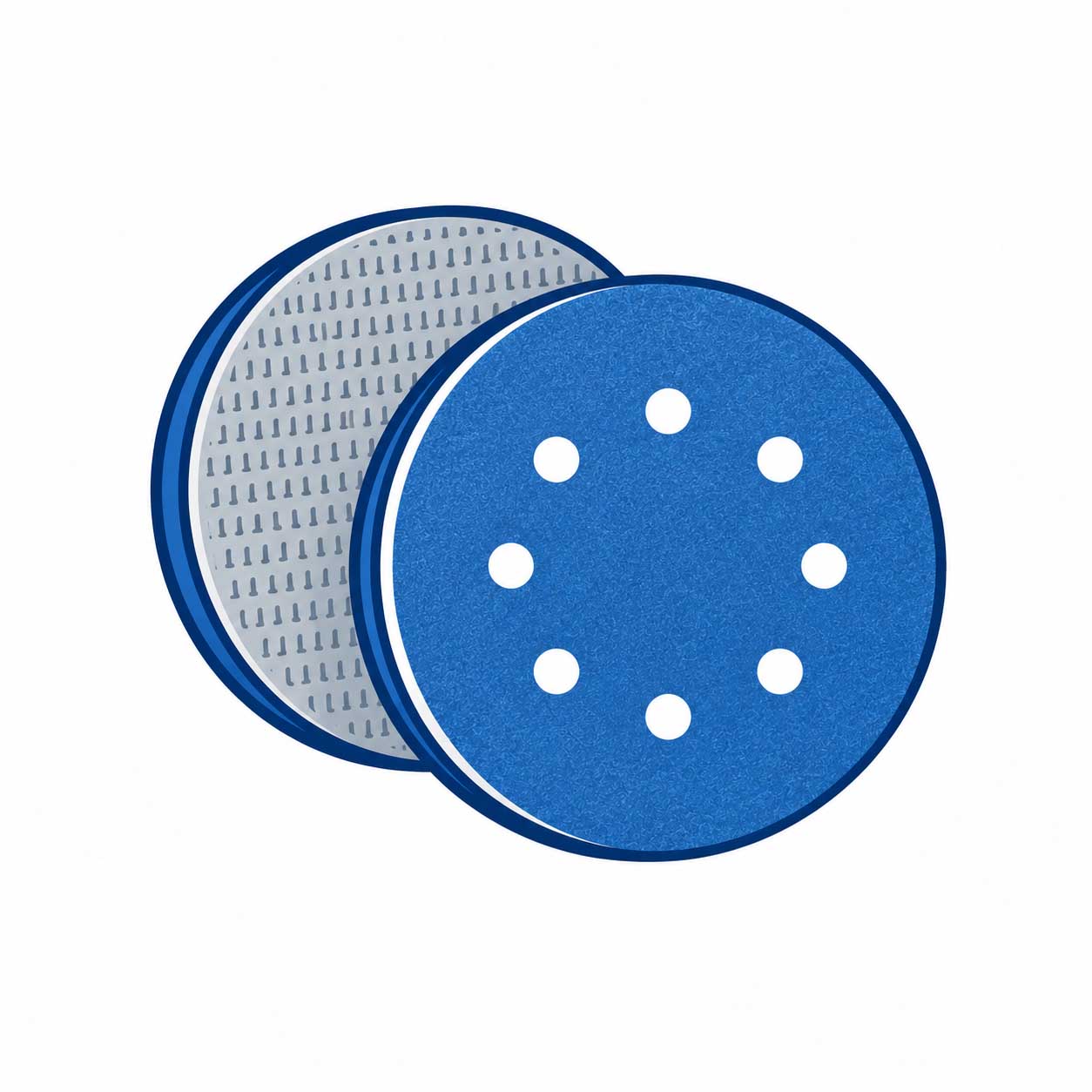
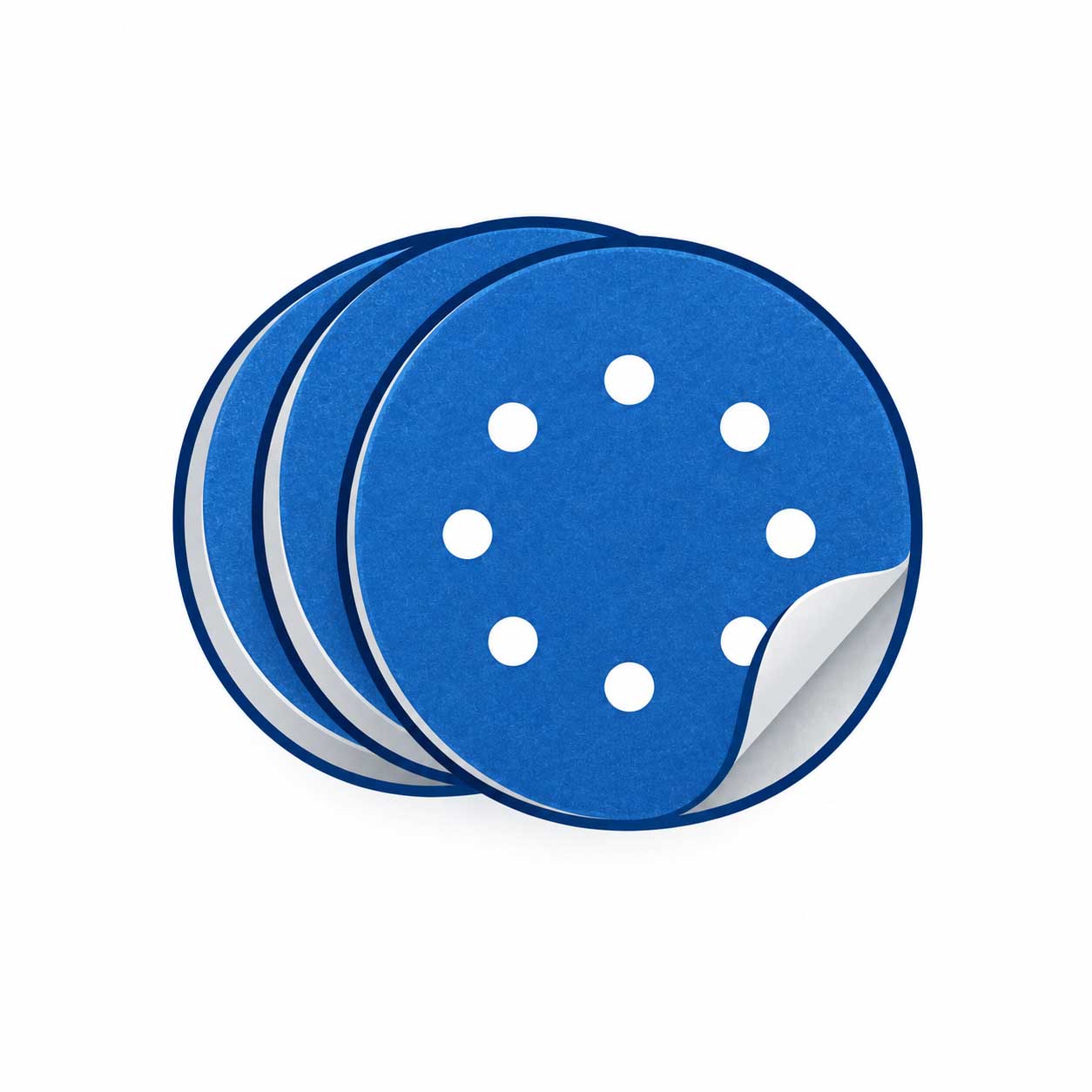
Aozhong's woodworking abrasive range includes sanding discs, abrasive belts, mesh abrasives, sanding sheets, rolls, film abrasives, and sanding sponges. These formats can be combined according to the furniture material, sanding machine, surface shape, and coating process.
The first question should not be:
“What grit should I use?”
It should be:
“What material am I sanding?”
Furniture production may involve several substrates.
| Furniture Material | Main Sanding Challenge | Abrasive Selection Focus |
|---|---|---|
|
01 Solid Wood
|
Grain scratches and machining marks | Grit progression |
|
02 MDF
|
Fine dust and porous edges | Dust control and surface refinement |
|
03 Veneer
|
Sand-through risk | Controlled sanding and low pressure |
|
04 Plywood
|
Mixed grain direction | Uniform material removal |
|
05 Primer / Sealer
|
Fine dust and loading | Fine abrasive + extraction |
|
06 Lacquer / Coating
|
Scratch control | Fine finishing abrasive |
|
07 Curved Furniture Parts
|
Uneven contact | Flexible / sponge abrasive |
A furniture factory producing MDF cabinet doors therefore needs a different abrasive program from a factory producing solid wood tables.
The substrate should determine the sanding process.
The first woodworking stage usually focuses on:
This stage requires enough cutting power to level the surface.
A typical reference progression may look like:
| Sanding Stage | Reference Grit Range | Main Purpose |
|---|---|---|
|
01 Heavy Stock Removal
|
P40–P60 | Correct rough surfaces |
|
02 Initial Wood Sanding
|
P80 | Remove machining marks |
|
03 General Refinement
|
P100–P120 | Reduce coarse scratches |
|
04 Fine Wood Preparation
|
P150–P180 | Prepare for coating |
|
05 Fine Preparation
|
P180–P240 | Application-dependent finishing |
These ranges are starting references, not fixed rules.
Wood species, surface condition, stain system, coating process, and required appearance can change the final grit.
Using P180 to remove defects that should be corrected with P80 can:
Using a very coarse abrasive on an already well-machined panel creates deep scratches that then require extra sanding stages.
The objective is to use the coarsest grit necessary, but no coarser than necessary.
For production furniture sanding, Aozhong Abrasive Belts can be used with belt sanders, wide-belt sanders, and compatible automated equipment, while sanding discs are suitable for orbital sanding and localized panel work. Aozhong supports custom belt size, grit, backing, joint, abrasive, and packaging.
MDF and veneer are both common in furniture manufacturing, but they have almost opposite sanding problems.
MDF generates large amounts of fine dust.
Its cut edges can also be more porous and rough than the flat surface.
A typical MDF furniture process may be:
Panel Sanding → Edge Sanding → Primer / Sealer → Intermediate Sanding → Final Coating
Dust extraction becomes particularly important during panel and primer sanding.
Aozhong Mesh Sanding Discs use an open backing that allows sanding debris to pass through the abrasive surface when combined with a suitable extraction system. The current Mesh range is intended for applications including woodworking, primer sanding, putty sanding, and coating preparation.
Veneer requires much more control over material removal.
The main risk is sanding through the decorative wood layer.
Higher-risk areas include:
Avoid unnecessary coarse sanding and excessive machine pressure.
Fine sanding discs, sanding sheets, and flexible sponge abrasives are often more useful as the process approaches edges and details.
| Factor | MDF | Veneer |
|---|---|---|
|
01 Main Risk
|
Dust and rough fibers | Sand-through |
|
02 Machine Sanding
|
Common | Controlled |
|
03 Dust Extraction
|
Important | Useful |
|
04 Edge Sanding
|
Needs refinement / sealing | Requires low pressure |
|
05 Abrasive Structure
|
Mesh / Disc / Sheet | Fine Disc / Sheet / Sponge |
|
06 Operator Priority
|
Dust control | Material removal control |
Once primer or sealer has been applied, the job changes.
The abrasive is no longer mainly sanding wood.
It now needs to:
A general reference structure is:
| Coating Stage | Reference Grit Range | Main Purpose |
|---|---|---|
|
01 Initial Primer Sanding
|
P180–P240 | Reduce heavier texture |
|
02 Sealer Sanding
|
P240–P320 | Refine coating surface |
|
03 Fine Preparation
|
P320–P400 | Prepare for topcoat |
|
04 Fine Coating Refinement
|
P400+ | Coating-system dependent |
The exact grit should follow the coating manufacturer's process.
Possible reasons include:
For dust-heavy furniture primer applications, Mesh or Multi-Hole abrasives can be considered.
For finer coating preparation, film-backed or other controlled fine abrasives may be useful where scratch consistency becomes more important.
Furniture contains many shapes.
Large cabinet doors may be flat, while chairs, table legs, moldings, decorative edges, and routed panels contain curves and profiles.
A rigid sanding method that works well on a panel may perform poorly on a curved profile.
| Furniture Area | Main Requirement | Recommended Abrasive Direction |
|---|---|---|
|
01 Large Flat Panel
|
Level surface efficiently | Abrasive Belt / Sanding Disc |
|
02 Cabinet Door
|
Uniform surface preparation | Sanding Disc / Mesh Disc |
|
03 MDF Edge
|
Controlled edge refinement | Sheet / Sponge |
|
04 Veneer Edge
|
Prevent sand-through | Fine Sheet / Sponge |
|
05 Chair Leg
|
Follow curvature | Sanding Sponge |
|
06 Molding / Profile
|
Flexible surface contact | Sponge / Flexible Abrasive |
|
07 Corner / Detail
|
Pressure control | Hand Sanding Sheet |
|
08 Primered Profile
|
Fine contour sanding | Fine Sponge Abrasive |
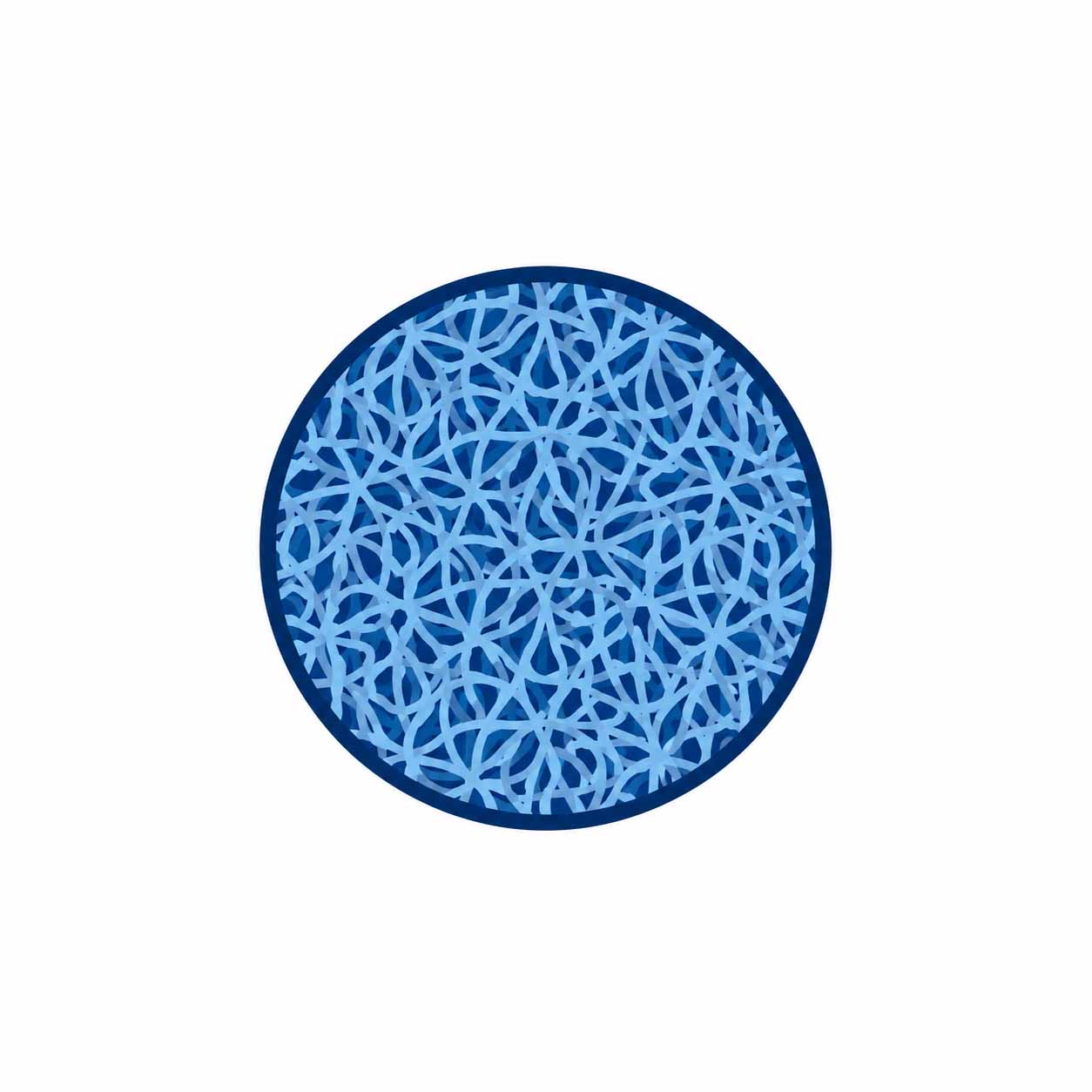
Aozhong Sanding Sponges combine abrasive grain with flexible sponge backing so the abrasive can follow curves, contours, corners, and uneven surfaces. Custom options include grit, size, abrasive type, shape, and packaging.
The important distinction is:
Firm abrasives help level.
Flexible abrasives help follow shape.
A sanding sponge should therefore not replace a firm sanding block when a large flat furniture panel still needs leveling.
Furniture manufacturing needs different abrasives from raw wood preparation through final coating preparation.
Abrasive belts and sanding discs support material removal and panel sanding. Mesh abrasives help in dust-heavy MDF and primer processes. Fine abrasives are used as the surface moves closer to coating. Sanding sponges and sheets provide better control on edges, profiles, and curved furniture parts.
The most practical selection method is:
Furniture Material → Sanding Stage → Surface Shape → Coating Requirement → Abrasive Format
For furniture factories and B2B abrasive buyers, the goal is not to use one sanding product everywhere. It is to use the right abrasive at each production stage so that unnecessary sanding and rework are reduced.
Yes. These materials require different sanding structures. Aozhong's product range includes sanding discs, mesh abrasives, abrasive belts, sanding sheets, rolls, film-backed products and sanding sponges. Product selection can be based on the substrate, sanding stage, equipment and required surface finish.
Yes. For abrasive belts, Aozhong supports customization of size, grit, backing, belt joint, abrasive type and packaging. This is useful for furniture manufacturers using belt sanders, wide-belt sanders or compatible automated sanding equipment.
Yes. Aozhong supplies Mesh Sanding Discs and other dust-extraction abrasive formats. The mesh structure allows sanding debris to pass through the abrasive surface when used with a compatible extraction system, making it suitable for dust-heavy applications including woodworking and primer sanding.
Yes. Aozhong offers samples for product evaluation. For furniture factories, sample testing can be used to compare cutting action, scratch pattern, loading, flexibility and surface finish on the actual solid wood, MDF, veneer or coating system before confirming a larger OEM order.
Yes. Aozhong supports OEM and ODM abrasive programs. Depending on the product, customization can include grit, size, backing, hole pattern, abrasive type, shape, printing, labels and packaging. For a new furniture abrasive program, it is better to define the application and test the abrasive structure before finalizing packaging and bulk production.