Drywall Sanding Grit Explained: From Joint Compound to Paint-Ready Walls
When it comes to drywall finishing, sanding is often the difference between an average wall and a professional, paint-ready surface. Even perfectly installed drywall panels can look uneven if the sanding process is rushed or if the wrong abrasive grit is used.
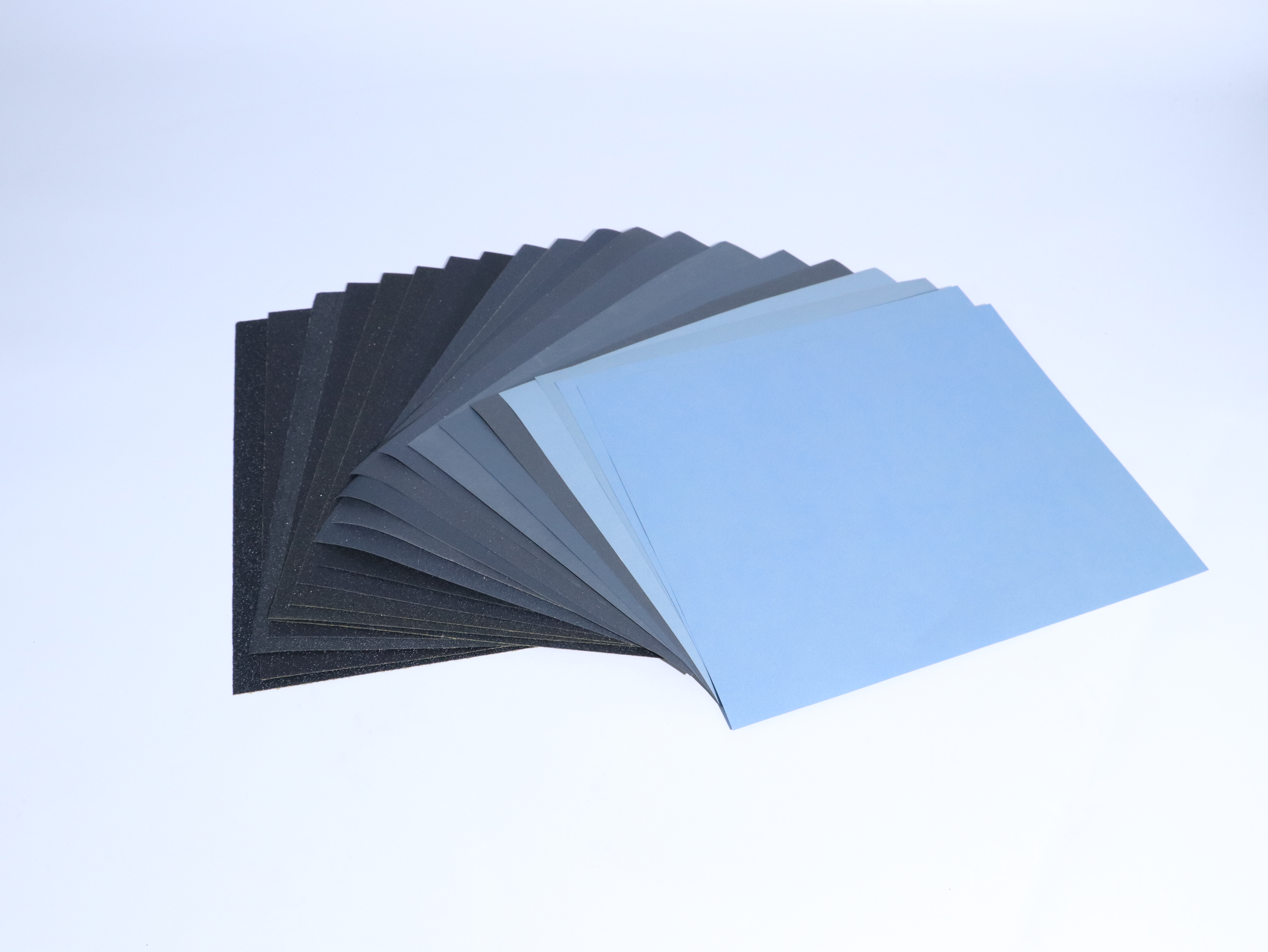
For contractors, drywall professionals, distributors, and private-label abrasive buyers, understanding drywall sanding grit is more than a basic DIY topic. The correct grit sequence directly affects:
-
Surface smoothness
-
Paint adhesion
-
Labor efficiency
-
Dust generation
-
Abrasive lifespan
-
Rework costs
-
Final project quality
At Aozhong Grinding, we manufacture professional abrasive solutions for drywall sanding applications, including sanding discs, mesh abrasives, sanding sponges, hook-and-loop systems, and anti-loading coated abrasives for global industrial customers. Based on years of abrasive manufacturing experience, this guide explains how professional drywall sanding works, which grit to use at every stage, and how to achieve smooth, consistent, paint-ready walls with fewer sanding defects.
Why Sandpaper Grit Matters in Drywall Sanding
Drywall sanding is not simply about making a wall feel smooth. It is a controlled finishing process designed to:
-
Remove excess joint compound
-
Blend seams invisibly
-
Eliminate ridges and tool marks
-
Create consistent surface texture
-
Prepare walls for primer and paint
Using the wrong grit can create serious finishing issues.
If the grit is too coarse:
-
Deep scratches become visible after painting
-
Drywall paper may tear
-
Surface fuzzing can occur
-
More finishing coats may be required
If the grit is too fine:
-
Sanding becomes slow and inefficient
-
Abrasives clog quickly
-
High spots remain visible
-
Productivity decreases significantly
Professional drywall finishing relies on progressive grit refinement. Each sanding stage prepares the surface for the next step.
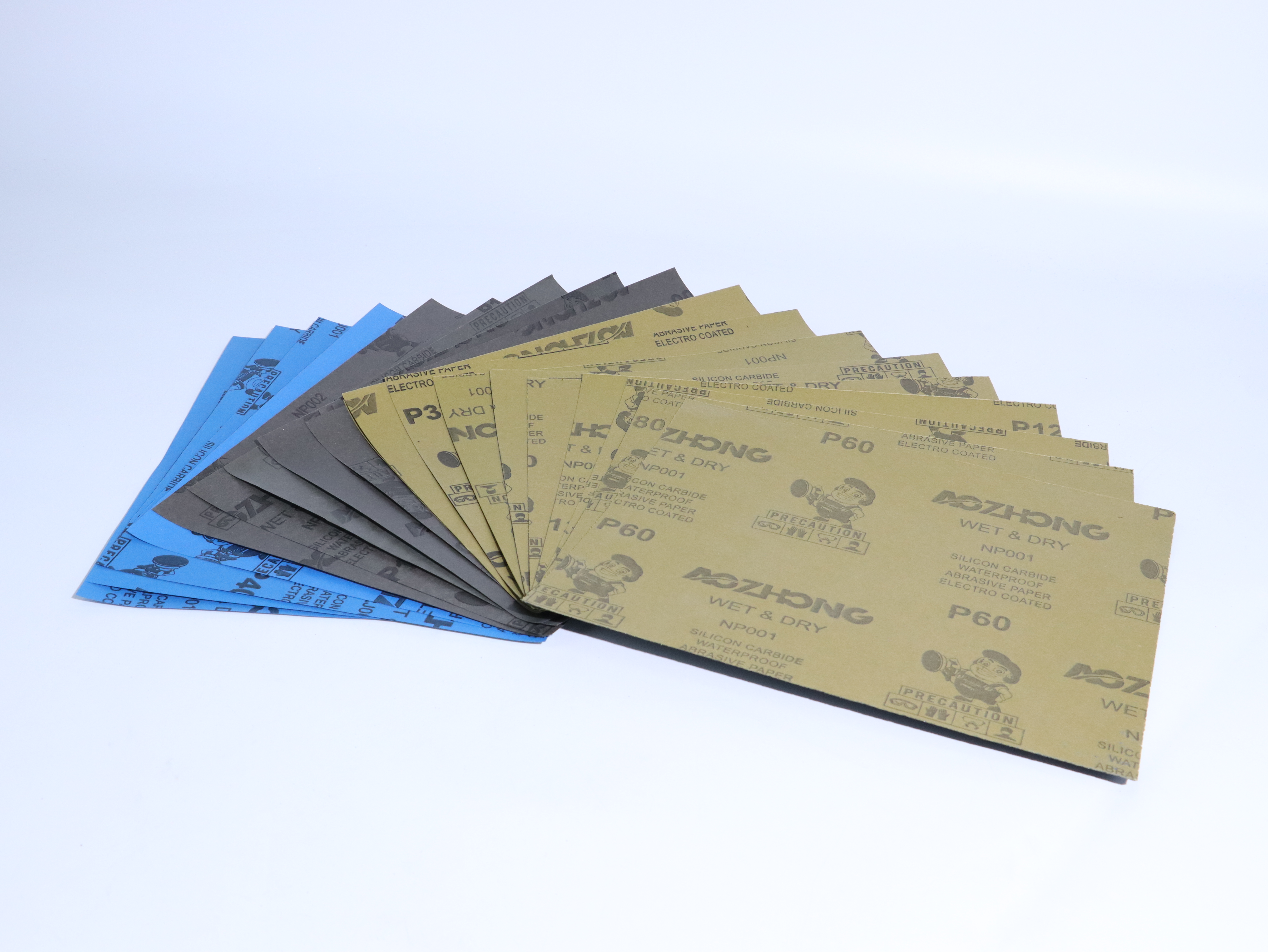
Understanding Sandpaper Grit Ratings
Sandpaper grit refers to the size of abrasive particles attached to the backing material.
In general:
| Grit Number |
Abrasive Aggressiveness |
Surface Finish |
| Lower Grit |
More aggressive |
Rougher finish |
| Higher Grit |
Less aggressive |
Smoother finish |
Lower grit abrasives remove material quickly, while higher grits refine and smooth the surface.
For drywall applications, professionals commonly use grit ranges between 80 and 220.
Drywall Sanding Grit Chart
The following drywall sanding grit chart shows the most commonly recommended grit progression for professional drywall finishing.
| Sandpaper Grit |
Application Stage |
Recommended Use |
| 80 Grit |
Heavy leveling |
Removing hardened compound and ridges |
| 100 Grit |
Initial shaping |
Correcting uneven seams |
| 120 Grit |
General sanding |
Smoothing joint compound |
| 150 Grit |
Intermediate finishing |
Feathering edges and blending |
| 180 Grit |
Final sanding |
Preparing for primer |
| 220 Grit |
Paint-ready finishing |
Ultra-smooth final surface |
| 320+ Grit |
Specialty finishing |
High-gloss or luxury coatings |
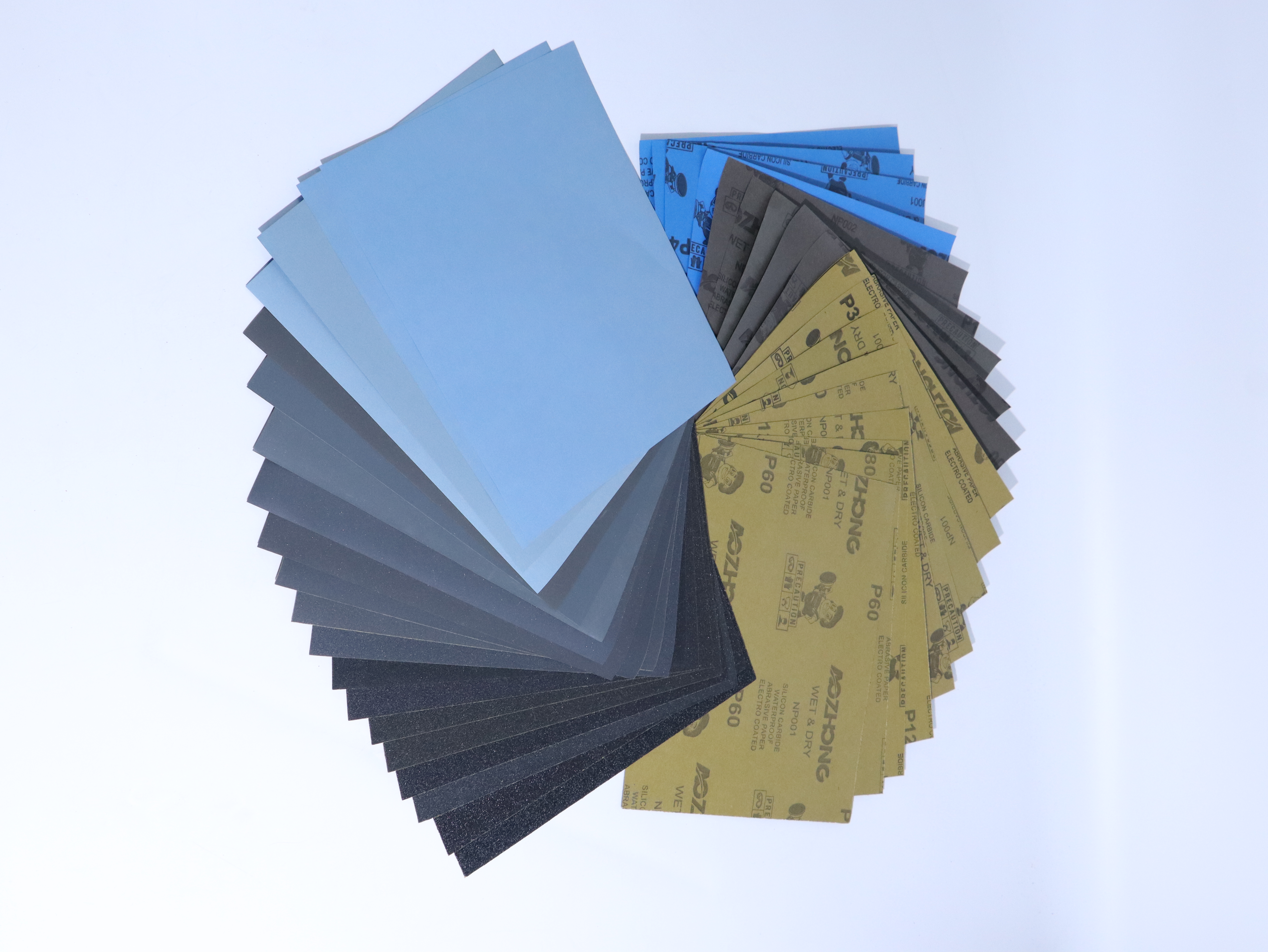
Most professional drywall projects use a combination of 120, 150, and 220 grit abrasives.
Best Sandpaper Grit for Each Stage of Drywall Sanding
1. 80–100 Grit: Heavy Material Removal
Coarse grits are used during aggressive correction work.
Typical applications include:
-
Removing excess dried joint compound
-
Fixing ridges and high spots
-
Sanding hardened setting compound ("hot mud")
-
Correcting poor taping work
Because these grits remove material quickly, they should be used carefully. Excessive pressure can damage drywall paper or create deep scratches that remain visible under paint.
Professional contractors typically reserve 80–100 grit abrasives for:
- Repair work
- Commercial renovation
- Uneven drywall seams
- Fast-setting compounds
For standard finishing work, many professionals skip 80 grit entirely and begin with 120 grit.
2. 120–150 Grit: General Drywall Sanding
This is the most important sanding stage.
Medium-grit abrasives smooth the joint compound while preserving the integrity of the drywall surface.
120–150 grit is widely considered the best all-purpose drywall sanding range because it:
- Removes sanding lines
- Blends seams smoothly
- Feathers edges effectively
- Reduces visible transitions
- Minimizes drywall surface damage
Professional drywall finishers often perform most sanding operations within this grit range.
At Aozhong Grinding, many contractors prefer anti-loading aluminum oxide abrasives in 120–150 grit because they maintain cutting performance longer and resist premature clogging from drywall dust.
3. 180–220 Grit: Paint-Ready Finishing
Fine-grit abrasives are used during the final finishing stage before primer or paint.
Their purpose is not aggressive material removal. Instead, they:
- Eliminate micro scratches
- Refine surface texture
- Improve paint adhesion
- Produce smooth visual consistency
- Prepare walls for high-quality coatings
220 grit is considered the industry-standard finishing grit for premium drywall surfaces.
Professional painters especially prefer 220 grit preparation when using:
- Satin paint
- Semi-gloss paint
- High-gloss coatings
- Dark paint colors
- Directional lighting environments
Under strong lighting, even minor drywall imperfections become highly visible. Fine sanding dramatically improves final appearance quality.
4. 320+ Grit: Specialty Surface Preparation
Ultra-fine grits are used only in specialized finishing environments.
These include:
- Luxury residential projects
- High-gloss decorative coatings
- Museum-grade wall finishing
- Reflective lighting applications
However, finer grits above 320 are rarely necessary for standard drywall projects because they:
- Increase labor time
- Clog quickly
- Offer minimal performance benefit
- Risk over-polishing the surface
Most commercial contractors stop at 220 grit.
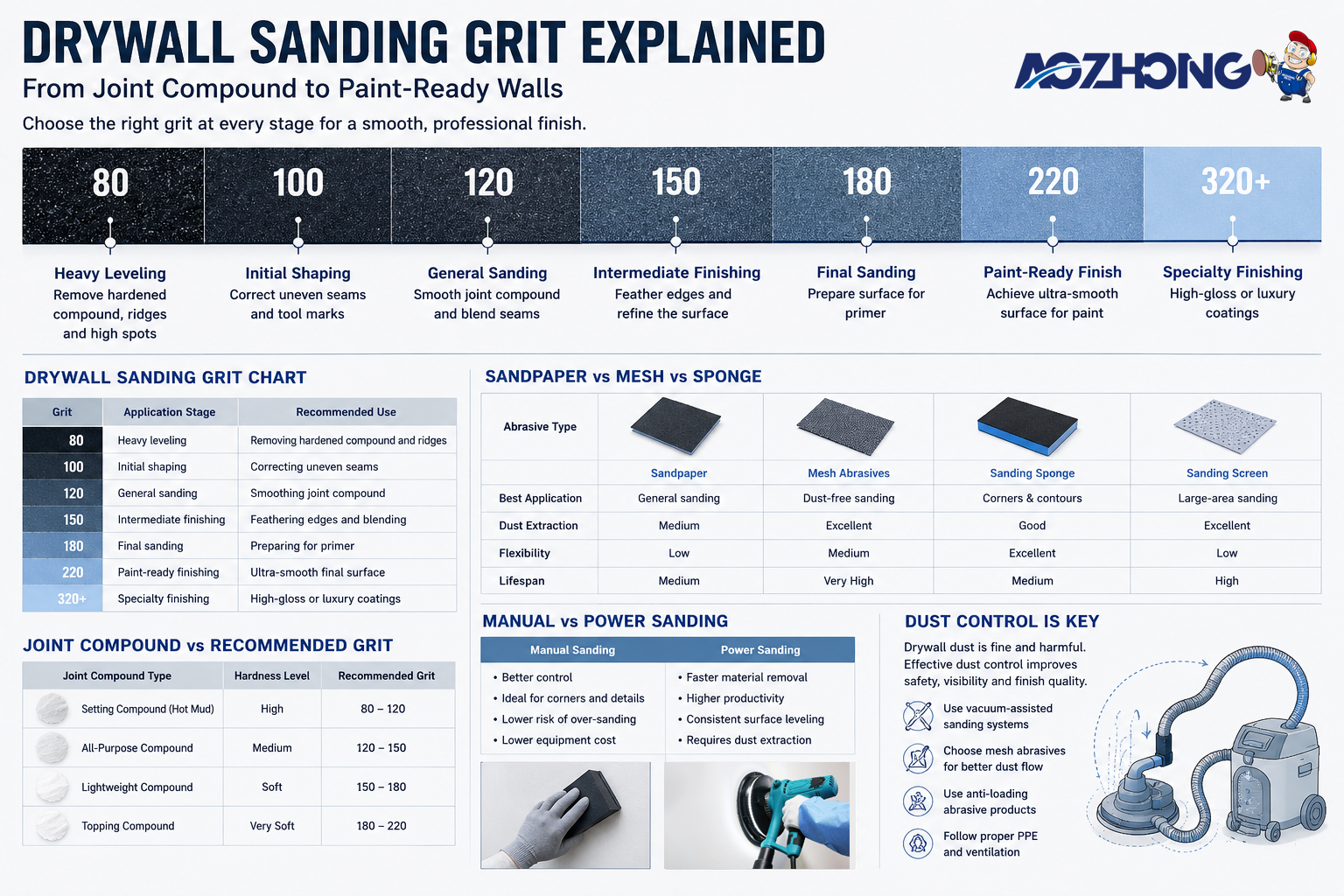
How Different Joint Compounds Affect Grit Selection
Not all drywall compounds sand the same way.
Different compound hardness levels require different abrasive strategies.
| Joint Compound Type |
Hardness Level |
Recommended Grit |
| Setting Compound (Hot Mud) |
High |
80–120 |
| All-Purpose Compound |
Medium |
120–150 |
| Lightweight Compound |
Soft |
150–180 |
| Topping Compound |
Very Soft |
180–220 |
Hot Mud (Setting Compound)
Hot mud dries chemically and becomes significantly harder than standard compounds.
It often requires:
- Coarser grit abrasives
- Stronger cutting action
- More durable abrasive grains
For these applications, contractors frequently use aluminum oxide abrasives because of their durability and longer lifespan.
Lightweight Joint Compound
Lightweight compounds sand more easily and produce finer dust.
Using coarse grits on lightweight mud can:
- Over-sand the surface
- Create gouges
- Damage feathered edges
Fine or medium grits are usually sufficient.
Sandpaper vs Mesh Abrasives vs Sanding Sponges
Modern drywall sanding involves more than traditional sandpaper.
Professional contractors now choose between multiple abrasive systems depending on the application.
| Abrasive Type |
Best Application |
Dust Extraction |
Flexibility |
Lifespan |
| Traditional Sandpaper |
General sanding |
Medium |
Low |
Medium |
| Mesh Abrasives |
Dust-free sanding |
Excellent |
Medium |
Very High |
| Sanding Sponge |
Corners and contours |
Good |
Excellent |
Medium |
| Sanding Screen |
Large-area sanding |
Excellent |
Low |
High |
Traditional Sandpaper
Traditional coated abrasives remain widely used because they:
- Are cost-effective
- Provide consistent cutting
- Work with hand sanding blocks
- Are compatible with many sanding tools
High-quality anti-loading coatings help reduce clogging during drywall sanding.
Mesh Abrasives
Mesh sanding technology has become increasingly popular in professional drywall finishing.
Mesh abrasives provide:
- Superior dust extraction
- Reduced airborne particles
- Longer abrasive lifespan
- Cleaner work environments
- Improved sanding visibility
Dust passes through the abrasive mesh into the vacuum system rather than building up on the surface.
This significantly reduces clogging.
Aozhong Grinding supplies professional mesh abrasive solutions for drywall sanding systems requiring high dust extraction efficiency.
Sanding Sponges
Sanding sponges are ideal for:
- Corners
- Curved surfaces
- Tight spaces
- Detail sanding
Their flexibility allows them to conform to irregular surfaces more effectively than rigid sanding blocks.
Manual Sanding vs Power Sanding
Both sanding methods have advantages.
Manual Sanding
Best for:
- Small repairs
- Precision sanding
- Corner work
- Detail finishing
Advantages:
- Better control
- Lower risk of over-sanding
- Lower equipment cost
Disadvantages:
- Slower production speed
- Higher labor intensity
Power Sanding
Best for:
- Large drywall surfaces
- Commercial projects
- Ceiling sanding
- High-production environments
Advantages:
- Faster material removal
- Improved productivity
- Consistent surface leveling
Disadvantages:
- Higher risk of surface damage
- Requires dust extraction systems
- Less precision in corners
Professional contractors often start with machine sanding and finish with manual touch-up sanding.
Dust-Free Drywall Sanding: Why It Matters
Drywall dust is more than a cleaning problem.
Fine airborne dust can:
- Irritate respiratory systems
- Reduce indoor air quality
- Affect visibility
- Increase cleanup time
- Shorten abrasive lifespan
Professional drywall sanding increasingly focuses on dust control systems.
Effective dust reduction methods include:
- Vacuum-assisted sanders
- Mesh abrasives
- Anti-loading coatings
- Wet sanding techniques
- HEPA dust extraction systems
Reducing airborne dust improves:
- Worker safety
- Productivity
- Surface inspection accuracy
- Overall project cleanliness
Common Drywall Sanding Mistakes
Using Grit That Is Too Coarse
Many inexperienced users begin with overly aggressive grits.
This can:
- Damage drywall paper
- Create swirl marks
- Leave visible scratches
Always start with the least aggressive grit capable of removing imperfections.
Skipping Grit Progression
Jumping directly from coarse to fine grit often leaves sanding lines beneath paint.
Professional finishing requires gradual refinement.
Typical progression:
- 120 grit
- 150 grit
- 220 grit
Over-Sanding
Excessive sanding weakens drywall surfaces.
Warning signs include:
- Exposed drywall tape
- Fuzzy drywall paper
- Uneven depressions
Let the abrasive perform the cutting instead of applying excessive pressure.
Ignoring Dust Removal Between Stages
Drywall dust trapped beneath finer abrasives can create random scratches.
Professional finishers frequently:
- Vacuum surfaces
- Wipe down walls
- Inspect under angled lighting
between sanding stages.
Professional Tips for Smoother Drywall Finishes
Use Angled Lighting
Positioning a work light parallel to the wall reveals:
- High spots
- Surface ridges
- Scratches
- Uneven feathering
This helps identify imperfections before painting.
Sand in Circular Motions
Circular sanding patterns help reduce directional scratches and improve surface consistency.
Choose Anti-Loading Abrasives
Drywall dust quickly clogs standard abrasives.
Anti-loading coatings significantly:
- Extend abrasive life
- Improve cutting consistency
- Reduce downtime
- Increase efficiency
Match the Abrasive to the Compound
Different drywall compounds require different sanding aggressiveness.
Using the correct abrasive system improves:
- Finish quality
- Productivity
- Abrasive lifespan
Why Professional Contractors Choose Aozhong Grinding
As a professional abrasive manufacturer, Aozhong Grinding supplies drywall sanding solutions for contractors, distributors, importers, and private-label brands worldwide.
Our drywall sanding product range includes:
- Mesh sanding abrasives
- Hook-and-loop sanding discs
- Sanding sponges
- Anti-loading sandpaper
- Drywall sanding sheets
- OEM abrasive solutions
Aozhong Grinding focuses on:
- Consistent grit quality
- Industrial-grade abrasive performance
- Long-lasting cutting efficiency
- Dust-reduction sanding systems
- OEM and ODM manufacturing support
With extensive manufacturing experience in coated abrasives and non-woven abrasive products, we help professional customers improve drywall finishing efficiency while achieving smoother, cleaner, paint-ready surfaces.
Final Thoughts
Choosing the correct drywall sanding grit is essential for achieving smooth, professional-quality walls.
The best results come from:
- Using progressive grit sequences
- Matching abrasives to compound hardness
- Controlling dust effectively
- Avoiding over-sanding
- Selecting high-quality abrasive systems
For most professional drywall projects:
- 120–150 grit handles general sanding
- 180–220 grit prepares surfaces for paint
- Mesh abrasives improve dust control and efficiency
As drywall finishing standards continue to rise, contractors increasingly require sanding systems that deliver:
- Cleaner finishes
- Faster productivity
- Better dust management
- Longer abrasive life
Aozhong Grinding continues developing professional drywall sanding abrasives designed for modern contractors, distributors, and industrial buyers seeking consistent finishing performance and reliable manufacturing quality.

